
Making legal client onboarding easier: the small details that matter.
November 2, 2026 | 4 min read
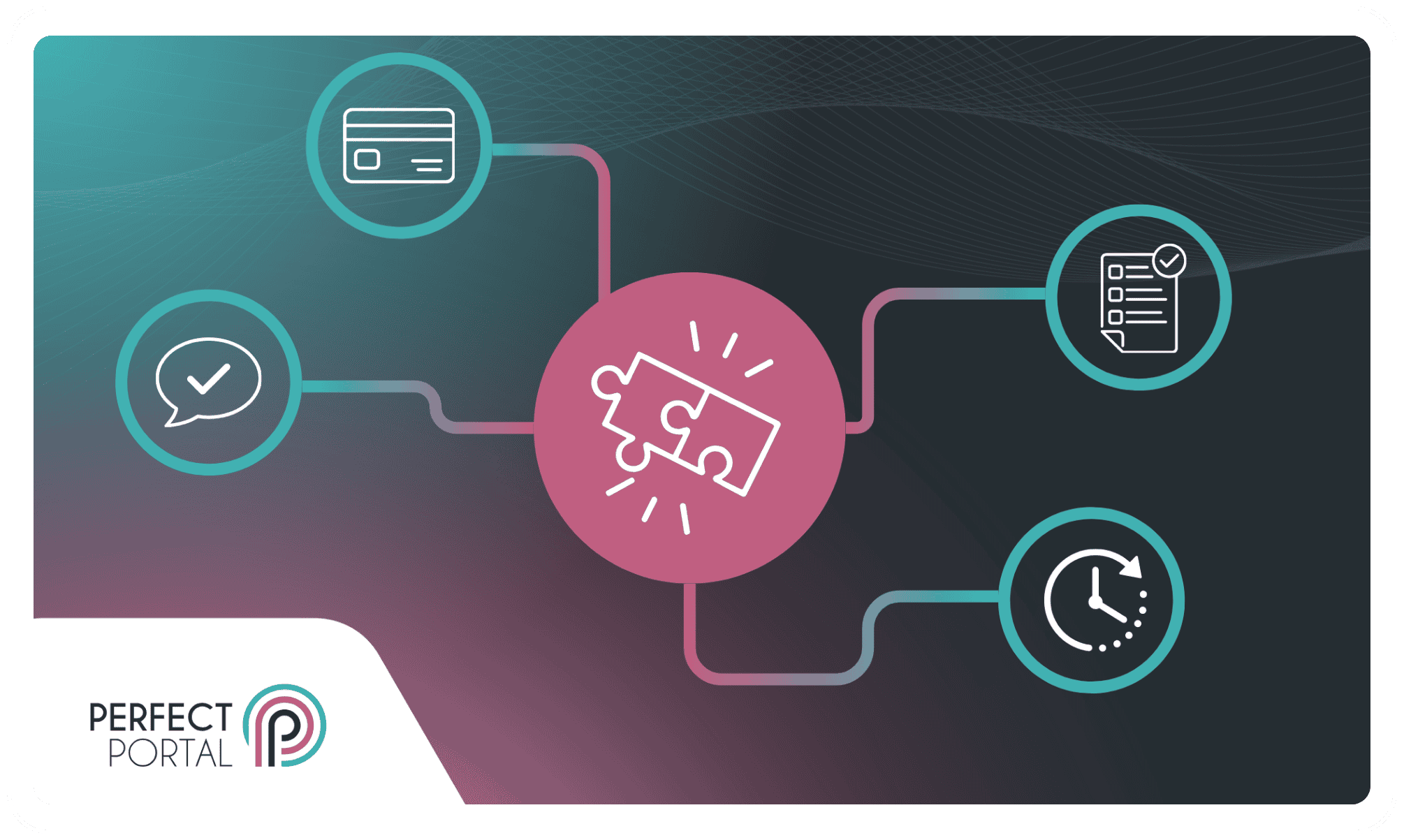
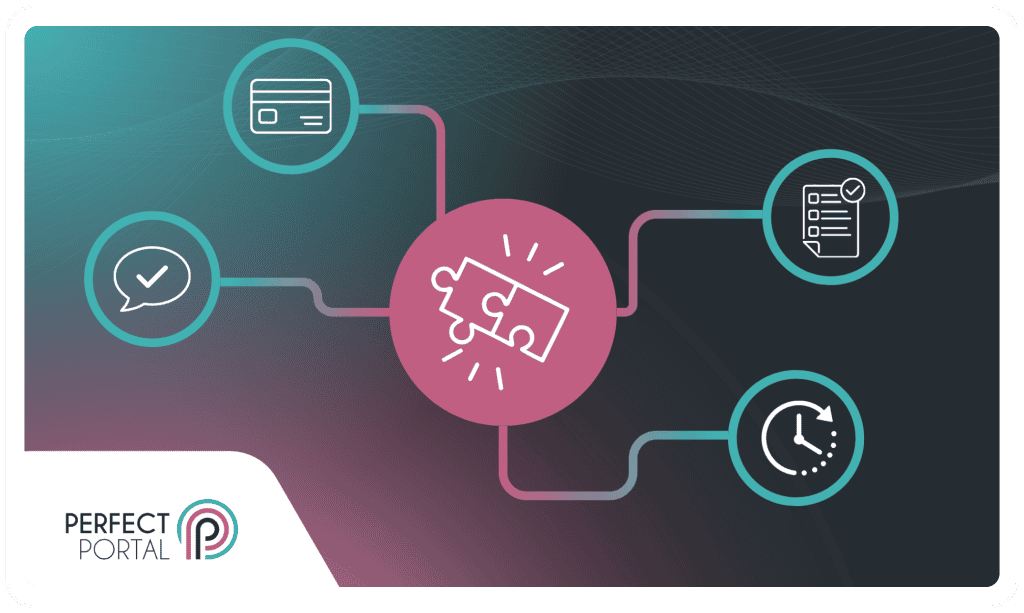
Client onboarding involves lots of small steps. Completing forms, verifying identity, providing information and arranging payments all play a part in getting a matter underway.
Individually, these tasks might seem straightforward. But when clients aren’t sure what’s required, teams have to chase outstanding information or processes rely on disconnected systems, the experience can quickly become more complicated than it needs to be.
Improving legal client onboarding isn’t always about making big changes. Often, it’s about looking at the smaller details and how they affect the journey as a whole.
In this article, we explore:
- How small points of friction affect the client experience
- Why clear instructions and straightforward processes matter
- How payment processes can add to the administrative workload
- How connected systems can make onboarding easier to manage
It’s the small things that make a difference.
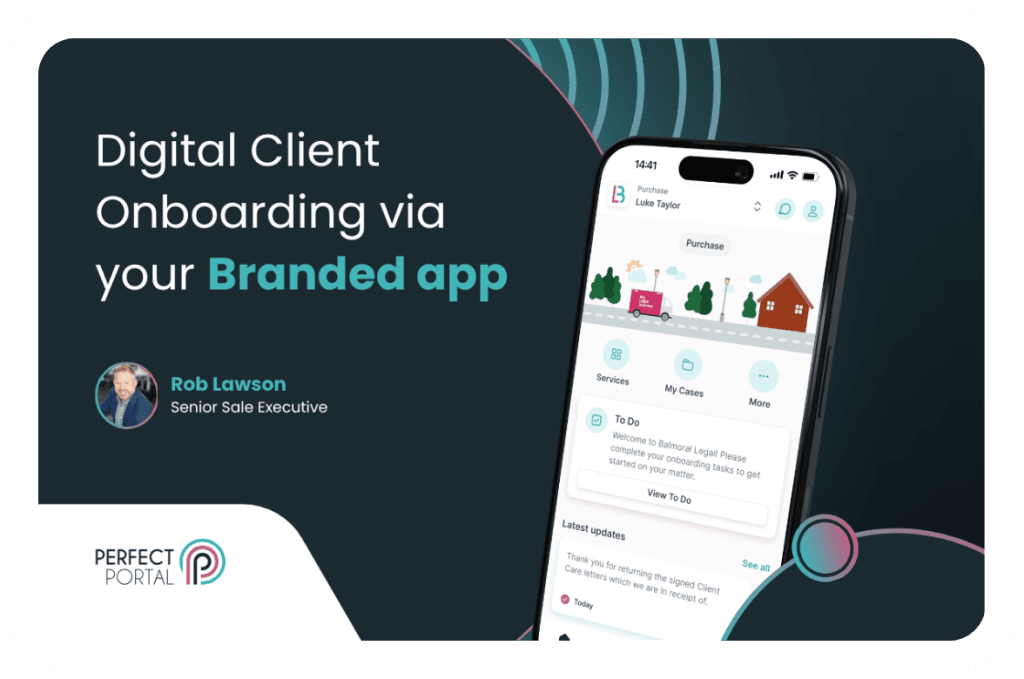
For clients, onboarding is often their first real experience of working with a law firm. They may need to complete forms, provide identification, share financial information and make an initial payment before they fully understand what happens next.
These requirements are often essential. The challenge is how they’re managed.
Unclear instructions, repeated requests for information or uncertainty about what’s been completed can make simple tasks feel like extra work.
For firms, the same issues create additional admin. Teams may need to send reminders, answer questions and check progress before a matter can move forward.
Looking at onboarding from both perspectives can help firms identify where small changes could make a meaningful difference.
Make every step clear.
Clients shouldn’t have to guess what they need to do next.
Clear communication helps them understand what’s required, why it’s needed and what happens afterwards. This is particularly important when several tasks need to be completed before a matter can progress.
The same applies to payments. Clients should understand how much they need to pay, how to complete the payment and whether it has been received.
When instructions are clear, clients can complete tasks with greater confidence, while teams spend less time answering questions and chasing outstanding actions.
Reduce the work behind the scenes.
A smoother client experience often starts with making things easier for the people managing it.
For example, requesting an initial payment can involve extra work if teams need to switch between systems, manually check payment statuses or update records separately.
These tasks might not take long individually, but they can quickly add up across a busy firm.
Reducing manual work, automating updates and managing tasks more directly can help teams keep onboarding moving without adding to their daily workload.
Keep information connected.
Firms often use different systems to manage new business, complete compliance checks, request payments and progress matters. What matters is how well those systems work together.
When information is disconnected, teams can lose visibility over what’s been completed and what still needs attention. This can lead to duplicated work, additional checks and avoidable delays.
Connected systems help keep information up to date and give teams a clearer view of progress. They can also help clients avoid repeated requests or unnecessary waiting between steps.
Make the process easier for everyone.
Making legal client onboarding easier doesn’t mean removing important checks or rushing clients through the process. It’s about identifying where unnecessary effort is being introduced and finding practical ways to reduce it.
That might mean improving instructions, avoiding repeated requests for information, making payments easier to manage or connecting systems so teams can see what’s outstanding.
Each improvement might seem small on its own. Together, they can create a more straightforward experience for clients and a more manageable process for the people supporting them.
Ultimately, better onboarding isn’t just about what clients need to complete. It’s about how easily they can complete it, and how smoothly the firm can move everything forward.
Because often, it’s the small details that make the biggest difference.
RESOURCES
Insights to help
law firms work smarter
- CASE STUDY
How Lucas & Wyllys modernised the client journey with a connected legal technology ecosystem.
Discover how
- CASE STUDY
How Ridley & Hall scaled while delivering exceptional client experience with Perfect Portal.
Discover how
- CASE STUDY
How BLJ leveraged Perfect Portal for smarter data, clearer journeys and measurable growth.
Discover how
- CASE STUDY
How Cook & Talbot modernised client communication with Perfect Portal to win more work.
Discover how
- CASE STUDY
How GloverPriest unified systems and improved efficiency through Tikit P4W and Perfect Portal.
Discover how

- CASE STUDY
How Lyons Bowe improved their compliance and client experience with Perfect Portal’s digital onboarding solution.
Discover how
- BLOG
Making legal client onboarding easier: the small details that matter.
- BLOG
A more connected way to manage new business with Perfect Portal and InfoTrack.
- BLOG
Top 5 reasons why integrated systems matter.
- BLOG
How to cut conveyancing onboarding from weeks to days.
- BLOG
The Perfect Portal Perspective: Home Buying & Selling Reform Series | Part 2
- BLOG
One journey, two experiences: why fixing client friction supports your team too.
- BLOG
How easy is it to instruct your law firm?
- BLOG
Why better client experience starts with better information.
- BLOG
The Perfect Portal Perspective: Home Buying & Selling Reform Series | Part 1
- Webinar
App based digital onboarding solution: InfoTrack eCOS + Perfect Portal integration.
Watch recording